Breastfed vs Formula-Fed Babies: How Diaper Patterns Differ
One of the most common questions new parents have is whether diaper patterns should look different depending on how a baby is fed. Breastfeeding and formula feeding both provide the nutrition babies need, but they can influence wet and dirty diapers in slightly different ways. Understanding these differences can help parents know what to expect, feel reassured when patterns change, and recognize when something may be worth discussing with a healthcare provider.
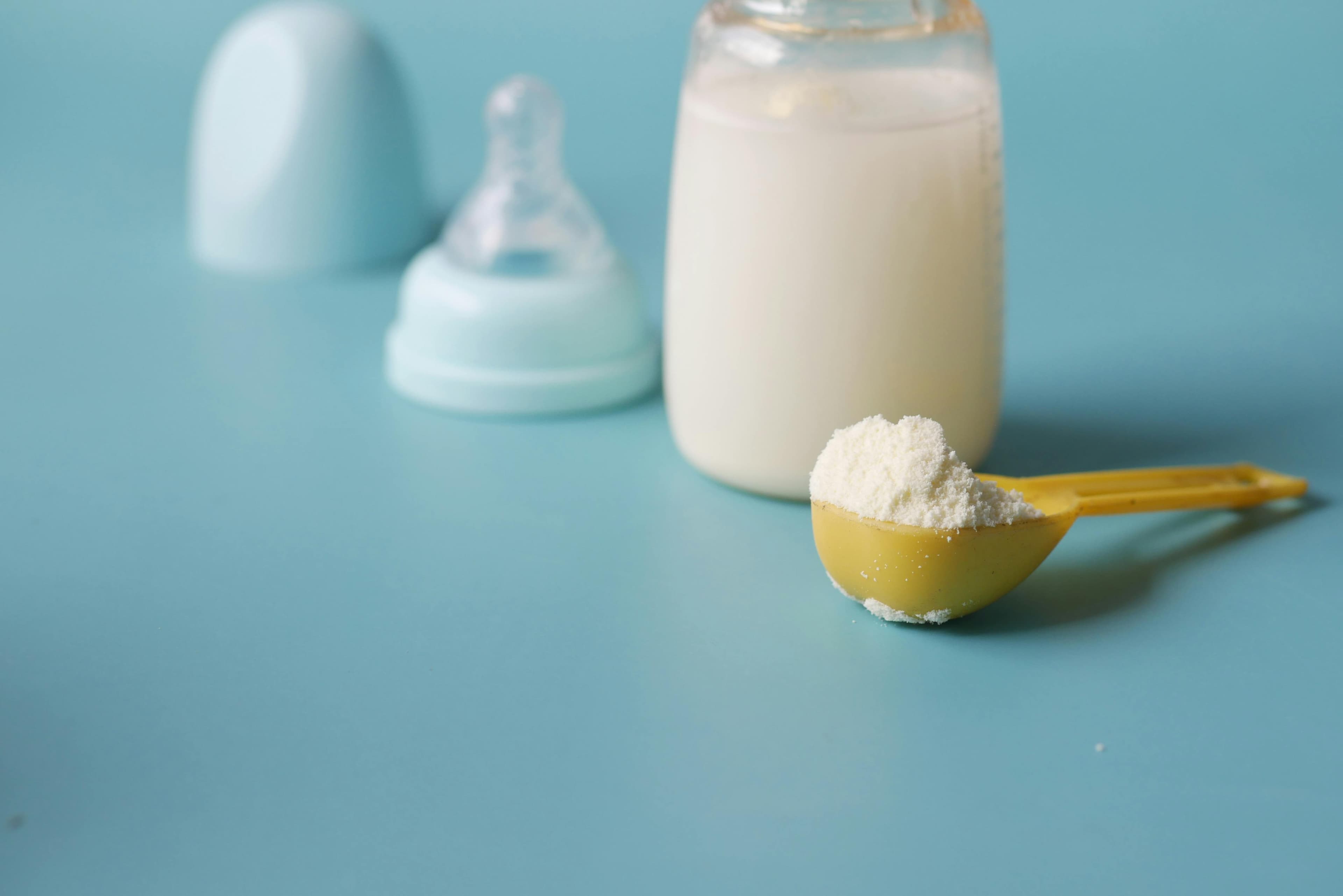
Photo by Towfiqu barbhuiya from Pexels
Why Feeding Type Can Affect Diaper Patterns
A baby's diaper output reflects how their body processes milk. Breast milk and formula differ in composition and digestibility, which can influence how often a baby urinates or has a bowel movement. That said, variation is normal for all babies, and feeding type is only one piece of the picture. Healthcare guidance emphasizes looking at overall patterns over time, rather than comparing individual diapers between babies.
Wet Diapers: Breastfed vs Formula-Fed Babies
Breastfed Babies
Breastfed babies often feed more frequently, especially in the early weeks. Breast milk is easily digested and absorbed, which can lead to regular urine output throughout the day and night. Once breastfeeding is established, breastfed babies should generally produce about six or more wet diapers in 24 hours, which is a common marker of adequate hydration (Source: Here's How Many Wet Diapers a Newborn Should Have).
Because intake may vary from feed to feed, wet diaper timing can feel less predictable early on, even when overall output is healthy.
Formula-Fed Babies
Formula-fed babies may feed on a more regular schedule, which some parents notice leads to more predictable periods of urination. Formula takes longer to digest than breast milk, but hydration expectations remain the same. Once feeding is established (a few days after birth), formula-fed babies should also have around six or more wet diapers per day (Source: Formula milk: common questions).
The key indicator for both feeding types is not timing but consistent daily wet diaper output and pale yellow or clear urine.
Dirty Diapers: Breastfed vs Formula-Fed Babies
Breastfed Babies
Breastfed babies often have more frequent bowel movements, particularly in the first weeks of life. Stools are commonly yellow, soft, and may appear loose or seedy. According to Healthline, breastfed babies often have several bowel movements per day in the early weeks, and stool frequency may decrease as their digestive system matures.
After the first few weeks, some breastfed babies may stool less often. This can still be normal as long as stools remain soft and the baby is feeding well.
Formula-Fed Babies
Formula-fed babies often have fewer bowel movements, and stools may be firmer and darker in color, usually tan or brown according to Mayo Clinic. This is related to how formula is processed in the digestive system. Formula-fed babies typically have less frequent stools than breastfed babies, and mild variation in frequency is normal.
Hard or pellet-like stools, however, are not typical and should be discussed with a healthcare provider.
What About Babies Who Are Both Breastfed and Formula-Fed?
Many babies receive a combination of breast milk and formula, either temporarily or long term. In these cases, diaper patterns may reflect elements of both feeding types. Parents may notice that:
- Stool frequency is less than that of exclusively breastfed babies but more frequent than exclusively formula-fed babies
- Stool color and texture may vary depending on the proportion of breast milk to formula
- Wet diaper output typically remains consistent if overall intake is adequate
There is no single "correct" diaper pattern for combination-fed babies. What matters most is that patterns are stable over time and align with general hydration and growth markers. When evaluating combination-fed babies, the same overall indicators apply as for other babies, including daily wet diaper counts, feeding behavior, and weight gain.
What Matters More Than Feeding Type
While feeding methods can influence diaper patterns, pediatric guidance emphasizes that individual variation is normal. Babies of the same age and feeding type can still have very different diaper habits. In general, healthy diaper output includes:
- Regular wet diapers across a 24-hour period
- Soft stools, even if stool frequency varies
- Steady feeding and growth
According to Healthychildren.org, stool frequency alone is less important than stool consistency, hydration, and overall well-being.
When to Check In With a Healthcare Provider
Regardless of feeding type, parents should seek guidance if a baby:
- Has significantly fewer wet diapers than expected
- Produces very dark urine
- Has hard, dry stools or appears uncomfortable
- Shows a sudden and lasting change in diaper patterns
Diaper output should always be considered alongside feeding behavior, alertness, and weight gain.
Takeaway
Breastfed, formula-fed, and combination-fed babies can all have healthy but slightly different diaper patterns. Breastfed babies often stool more frequently early on, while formula-fed babies may have fewer and firmer stools. Combination-fed babies may show a mix of these patterns. Understanding these differences helps parents focus less on comparison and more on consistent patterns over time, which is one of the most useful ways to gauge hydration and feeding success as babies grow. If you want to track diaper changes for your newborn, apps like Noora Baby can help you identify patterns in urine and stool, regardless of whether you breastfeed or formula feed.
The information in this article is based on established pediatric guidance and reputable health sources and is provided for general education. It should not replace advice from a qualified healthcare professional.
Related Guides
How Many Wet and Dirty Diapers Should a Newborn Have?
Learn normal diaper output patterns by age and what they mean
How to Track Newborn Diaper Changes
Learn how to track diapers effectively and identify patterns
Wet Diapers at Night: What's Normal for Babies
Learn what's typical for nighttime diaper output and hydration
Baby Poop Colors Explained
Understand what different stool colors mean
Is My Baby Pooping Too Much?
Learn what's normal for poop frequency by age
Why Did My Baby Suddenly Have Fewer Wet Diapers?
Learn about sudden changes in wet diaper output
How Weather and Hydration Affect Baby Diaper Output
Learn how environmental conditions influence diaper patterns
Diaper Tracking Hub
Explore all diaper tracking guides
Parenting Hub
Explore all parenting topics
Start Tracking Diapers with Noora Baby
Simple diaper tracking designed for busy parents. One-tap logging, automatic pattern detection, and clear insights into your baby's health—whether you breastfeed, formula feed, or do both.