
Bottle vs Breastfeeding: What It Means for Growth
Both bottle feeding and breastfeeding support healthy baby growth. Learn the tracking differences, what to monitor for each method, and how to ensure your baby is thriving regardless of feeding choice.
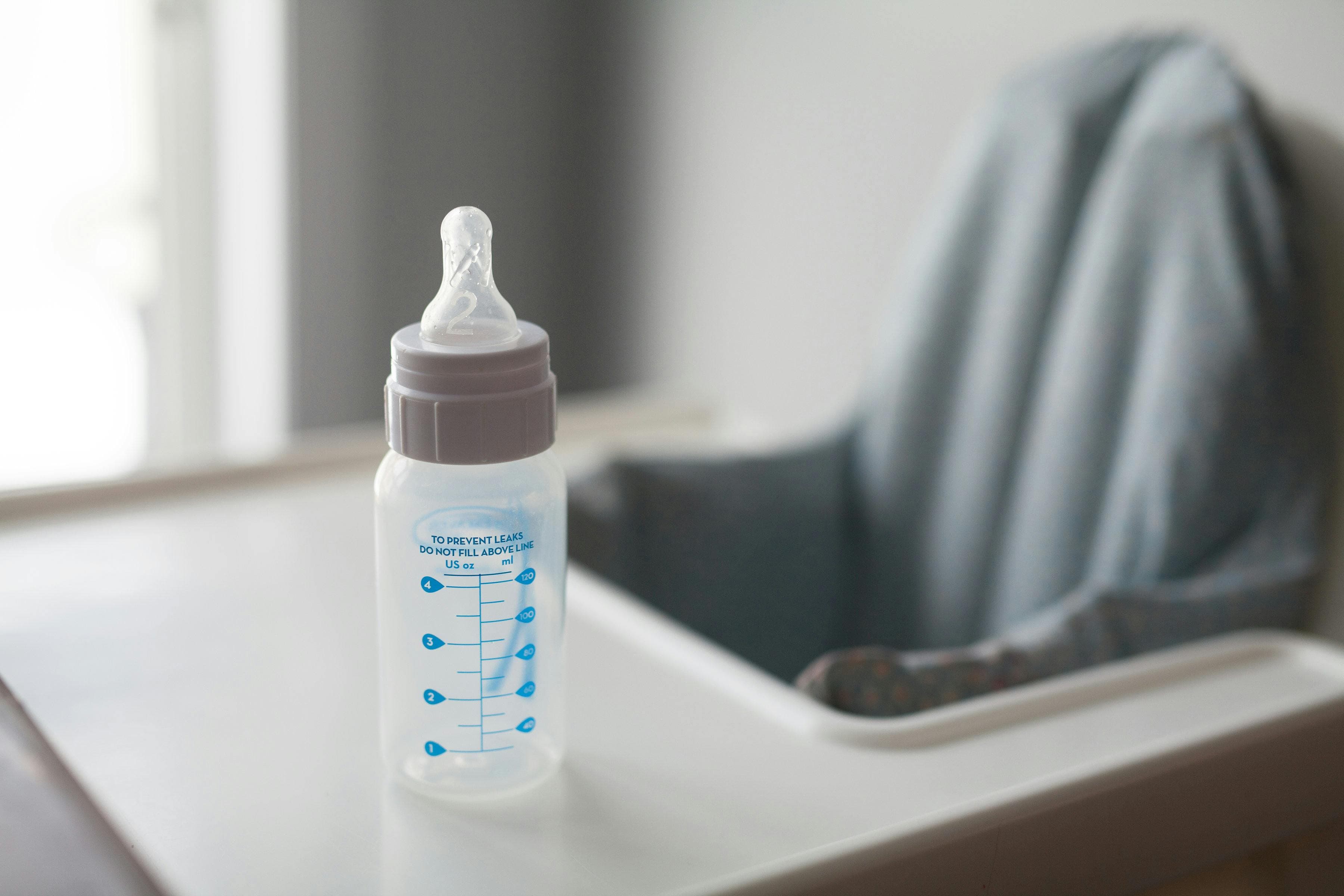
Photo by Burst from Pexels
Understanding how feeding style can influence growth patterns helps parents focus on meaningful signs of healthy development rather than comparisons alone. Feeding method is just one factor, and individual variation between babies is expected.
How Breastfeeding and Bottle Feeding Affect Growth
Both breastfeeding and bottle feeding provide the nutrition babies need to grow, but the way milk is delivered and digested differs slightly.
Breastfeeding
Breast milk changes over time to meet a baby's needs. Early milk is easier to digest and later milk adjusts in fat and energy content as babies grow. Because breast milk is digested relatively quickly, breastfed babies often feed more frequently, particularly in the first weeks.
Many breastfed babies experience periods of very frequent feeding, especially during growth spurts. These phases support increased energy needs and are considered a normal part of early development.
Health authorities note that breastfeeding supports healthy growth and that feeding frequency can vary widely without indicating a problem (Source: Centers for Disease Control and Prevention).
Bottle Feeding
Formula is designed to provide consistent nutrition with each feed. Because formula digests more slowly, bottle-fed babies may feed at more predictable intervals and sometimes appear to stay full longer between feeds.
Some research has shown that formula-fed babies may gain weight slightly faster in the early months. However, pediatric guidance emphasizes that a range of growth patterns is normal and that steady tracking over time matters more than the rate of gain at any single point (Source: World Health Organization).
Typical Growth Patterns by Feeding Method
Growth looks different from baby to baby, but some general patterns are often observed.
Breastfed Babies
- May gain weight rapidly early on and then slow slightly later in infancy
- Often feed frequently, especially during the first months
- May track along a lower percentile while still growing consistently and healthily
Formula-Fed Babies
- Intake is easier to quantify because volume is measurable
- Weight gain may appear steadier in the early months
- Feeding intervals may be more regular
Percentiles on growth charts are not goals. Pediatricians focus on whether a baby follows their own growth curve over time rather than comparing babies to one another. For more on how intake and output relate to growth, see How Many Wet and Dirty Diapers Should a Newborn Have?
How Feeding Style Influences Appetite and Feeding Frequency
Breastfed babies often show shorter but more frequent feeds. This is largely related to digestion speed rather than hunger problems. During growth spurts, feeding may increase noticeably for several days, which can feel intense but is usually temporary.
Formula-fed babies may go longer between feeds because formula remains in the stomach longer. These differences are expected and do not mean that one baby is feeding better than another.
Understanding feeding cues is often more helpful than focusing on the clock. Babies show hunger through rooting, hand-to-mouth movements, and increased alertness. For more on interpreting these signals, see Comfort Feeding vs Hunger: How to Tell the Difference
How Pediatricians Assess Growth Regardless of Feeding Method
Healthcare providers do not assess growth based solely on feeding method. Instead, they consider a combination of:
- Weight gain over time
- Length and head circumference growth
- Feeding behavior and effectiveness
- Diaper output and hydration
- Developmental milestones
Growth charts are used to monitor trends rather than single measurements. A baby who grows steadily along their own curve is typically considered to be developing well, regardless of how they are fed.
The World Health Organization growth standards are based on healthy breastfed infants and are widely used to assess growth across feeding methods (Source: World Health Organization).
When Differences in Growth May Need Attention
Differences in growth are usually normal, but certain signs warrant closer evaluation. Parents should consider contacting a healthcare provider if:
- Weight gain slows or stops over time
- Growth drops across percentiles
- Wet diaper output is consistently low
- Feeding becomes difficult or distressing
- The baby appears unusually sleepy or disengaged
Diaper output and feeding behavior together offer important clues. For more on hydration and nighttime patterns, see Wet Diapers at Night: What's Normal for Babies
Takeaway
Both breastfeeding and bottle feeding support healthy growth when feeding is effective and consistent. Differences in feeding rhythms, appetite, and early weight gain are common and usually reflect normal variation rather than a problem.
What matters most is that your baby:
- Gains weight steadily over time
- Produces regular wet diapers once feeding is established
- Feeds comfortably and effectively
- Continues to meet developmental milestones
Understanding how feeding style can influence patterns helps parents focus on overall well-being rather than comparisons.
The information in this article is based on established pediatric guidance and reputable health sources and is provided for general education. It should not replace advice from a qualified healthcare professional.
Frequently Asked Questions
Do breastfed babies grow slower than formula-fed babies?
Do breastfed babies grow slower than formula-fed babies?
Not necessarily. Breastfed babies may grow quickly early on and then slow slightly later, while formula-fed babies may show steadier early weight gain. Both patterns can be healthy.
Is faster weight gain always better?
Is faster weight gain always better?
No. Healthy growth is about steady progress over time, not speed alone.
Should feeding method change if growth looks different?
Should feeding method change if growth looks different?
Not usually. Feeding method is only one factor, and changes should be discussed with a healthcare provider.
Can feeding method affect sleep and appetite?
Can feeding method affect sleep and appetite?
Yes. Digestion differences can influence feeding frequency and sleep patterns, especially in early infancy.
When should I talk to a pediatrician about growth concerns?
When should I talk to a pediatrician about growth concerns?
If you notice slowed weight gain, fewer wet diapers, feeding difficulties, or developmental concerns, it is best to seek guidance.
Track All Feeding Types with Noora Baby
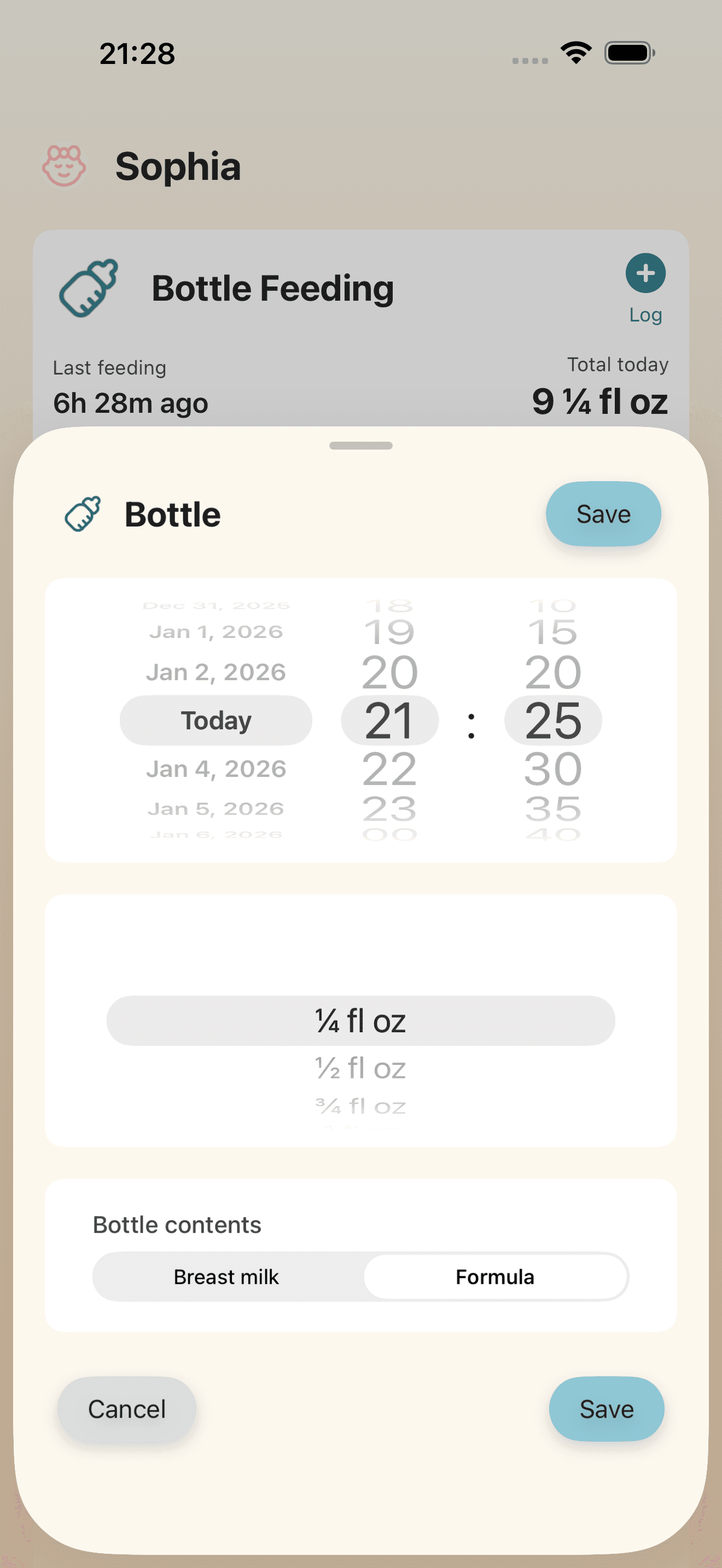
Whether you're exclusively breastfeeding, bottle feeding, or doing both, Noora Baby tracks it all in one place with clear insights into your baby's total nutrition.
- Track breast and bottle feeds
- See total daily intake
- Monitor feeding patterns
- One-tap breastfeeding session tracking
- Automatic left/right side tracking
- Shareable logs for partners and caregivers

Related Guides
Is Baby Getting Enough Milk?
Signs of adequate milk intake and what to watch
Track Breastfeeding
Best practices for nursing sessions
Newborn Schedule
Typical feeding patterns
All Feeding Guides
Back to feeding hub
Feeding Tracking Accuracy
How precise does tracking really need to be
Parenting Hub
All parenting topics
Track Diaper Changes
Monitor diaper output for feeding health
Start Tracking with Noora Baby
Track any feeding method with one simple app. See patterns, monitor growth, and feel confident about your baby's nutrition.
Works for all feeding types